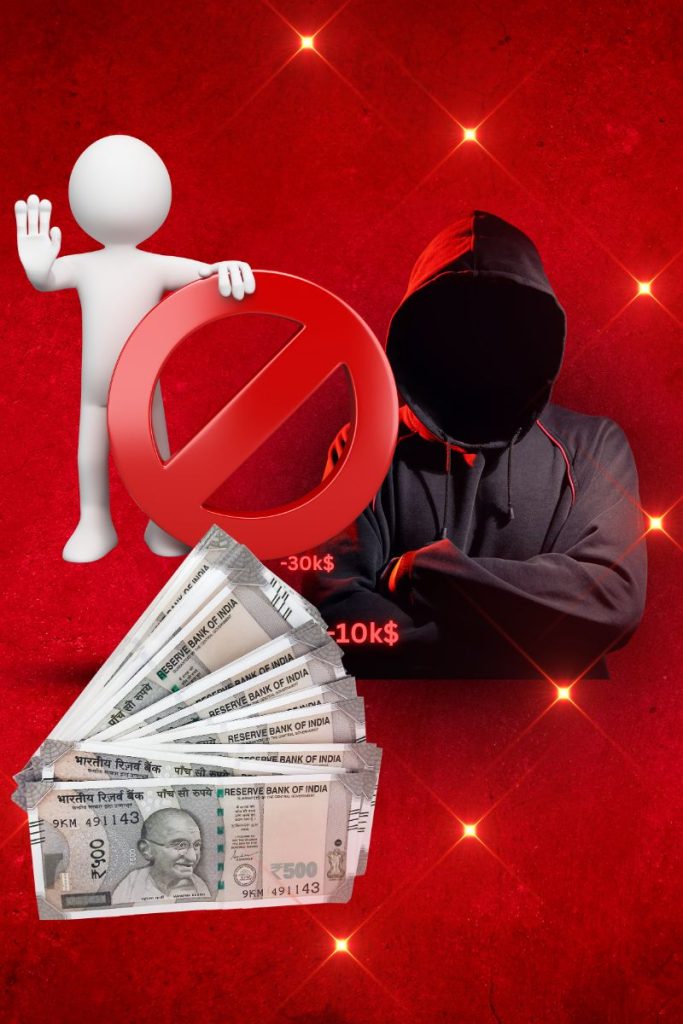
These days, investment opportunities can be found everywhere, from internet platforms that promise quick returns to social media advertisements and WhatsApp messaging
Many of these opportunities seem genuine initially. They frequently include customer service agents, reputable websites, and compelling testimonials.
However, behind many of these offers lies one of the most dangerous forms of online fraud:
Investment and crypto scams
These scams have cost victims millions of dollars worldwide, and they continue to expand because they capitalize on one basic human urge: the desire to make money.

What Are Crypto and Investment Scams?
Investment scams are fraudulent operations that offer large returns with little or no risk, with the intention of stealing money from victims.
Crypto scams are a form of investment scam that focuses on:
* Trading cryptocurrencies
* Fake crypto platforms
* Digital wallets
* Investments in blockchain technology
Both types of scams rely on deception and false promises.
Why These Scams Are So Effective
Scams involving investments and cryptocurrencies are very successful because they combine:
* Financial opportunity
* Urgency
* Social evidence
* Technical complexity
Many victims believe:
“It must be genuine if it appears professional.”
However, scammers are aware of this and create schemes that seem genuine.
Common Types of Investment and Crypto Scams
1. Ponzi and Pyramid Schemes
These schemes offer large profits and take funds from new investors to repay previous investors.
Initially:
* Profits are given to people
* Trust increases
In the end:
* New investors stop joining
* The system breaks down
* The majority of people lose money.
2. Fake Crypto Investment Platform
Scammers make apps or websites that mimic legitimate trading platforms. Features could consist of
*Deceptive dashboard
*Simulated profits
*Account balances increase.
However, the money is merely figures on a screen.
3. Social Media Investment Scams
Scammers utilize platforms such as:
* Instagram
* WhatsApp
* Telegram
They might:
* Assume the role of successful traders
* Show fake proof of earnings
* Offer to “assist you with investments.”
Once you send money, communication stops.
4. Romance + Investment Scams
After establishing a relationship over time, the scammer presents an “investment opportunity.”
Due to emotional trust the victims are more likely to invest large amounts.
5. Signal Groups and Trading Gurus.
Scammers create trading groups that:
* Promise guaranteed profits
* Charge membership fees
* Provide fake signals
Common Warning Signs of Online Scams
Most scams share similar characteristics. Your first line of defense is to recognize these warning signs
1.Offers That Sound Too Good to Be True
One of the most common scam tactics is offering unrealistic rewards.
For instance:
* “In 48 hours, double your money”
* “Daily profit guaranteed with no risk”
* “Make $5000 a week without any experience”
Opportunities that are legitimate usually require effort and risk.
2. Pressure and Urgency
In order to keep you from thinking properly, scammers frequently instill a sense of urgency.
For instance:
* “Take action now or miss this chance.”
* “Limited time offer”
* “If you don’t reply right away, your account will be blocked.”
Urgency is used to compel hasty judgements.
3. Impersonation of Trusted Entities
Scammers pose as:
* Banks
* Governmental organizations
* Reputable businesses
* Customer service agents
They may use:
* Official logos
* Fake email addresses
* Similar website designs
Always do independent research before putting your trust in someone.
4. Suspicious Links and Websites
Many scams involve fake links designed to steal your information.
Signs consist of:
* URLs with misspellings
* Additional characters in website URLs
* Websites without HTTPS security
Always double-check unknown links before clicking on them.
5. Sensitive Information Requests
Scammers might request:
* Bank information
* OTP codes
* Passwords
* Personal identification.
Reputable organizations would never randomly request this information.
6. Difficulty Withdrawing Funds
A serious warning sign is when:
* Withdrawals take longer than expected.
* Additional costs are necessary.
* Accounts are suddenly blocked.
7.Lack of Transparency
Scammers try to avoid:
* Clear company information
* Physical addresses
* Verifiable credentials
Real-Life Scam Examples
Understanding real scenarios helps you recognize scams faster.
Example 1: Fake Investment Platform
A platform that promises daily returns invites a person to invest. The website has a polished appearance, and initial withdrawals might even be successful.
Following a bigger deposit:
The money vanishes and the platform stops reacting.
Example 2: WhatsApp Impersonation
A fraudster poses as a friend or family member and asks for immediate financial assistance. Before confirming the identification, victims give money.
Example 3: False Employment Offer
A “registration fee” or “processing fee” is required for a job offer.
The recruiter vanishes after payment.
How People Are Tricked by These Scams
Psychological triggers used by scammers include:
- Greed → “Make quick money”
- Fear → “Avoid missing out”
- Have faith → “Others are already making money”
- Authority → “Expert trader”
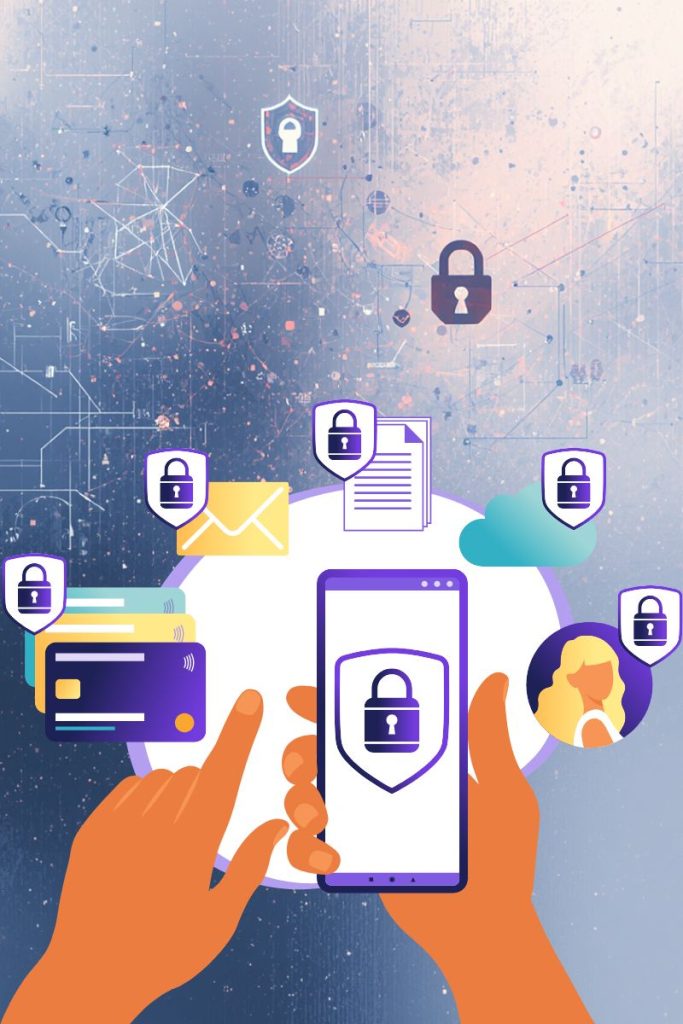
How to Protect Yourself from Investment and Crypto Scams
- Prior to investing, conduct research.
Always verify:
Reviews from multiple sources
Background of the company
Regulatory status - Independently Verify Platforms
Links given by strangers should not be trusted. - Always look up official websites on your own.
- Steer clear of unrealistic promises
If something seems too wonderful to be true:
Most likely, it is. - Begin Small
Try small amounts first if you’re not sure. - Make Use of Reliable Platforms
Stick to well-known, regulated platforms. - Never Share Sensitive Information
Protect your wallets, passwords and OTP codes.
Common Mistakes Victims Make
- Believing testimonials without checking
- Ignoring warning indicators
- Making big investments too soon
- Following social media hype
- Failing to research platforms
Investment and cryptocurrency scams are among the most dangerous types of internet fraud because they mix monetary benefit and deception.
While they may appear persuasive, they almost always follow the same patterns—unrealistic promises, urgency, and a lack of openness.
The key to staying safe is simple:
- Check everything
- Avoid rushing decisions
- Never trust guaranteed profits
If you have been a victim already, our team can help you out, your next step is to report the case as soon as possible. Reach out to ICAR for support.
https://icar-global.org/request-case.php